
PCOS and PCOD
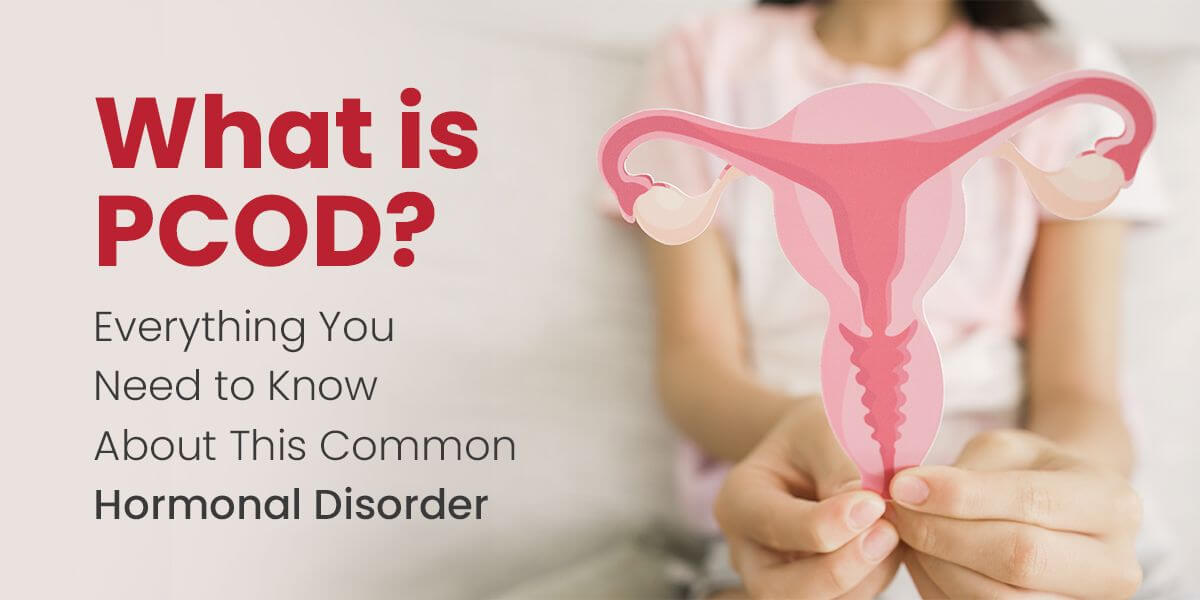
PCOS and PCOD are hormonal conditions that affect the ovaries and menstrual cycle. They are often used interchangeably, but there are slight differences in how they are understood.
PCOS (Polycystic Ovary Syndrome)
It is a hormonal and metabolic disorder where the ovaries produce higher-than-normal levels of male hormones (androgens).
What happens in PCOS:
Best Yoga Poses for PCOS/PCOD
Important
- Eggs don’t mature properly.
- Ovulation may not happen regularly.
- Small fluid-filled sacs (cysts) may form in the ovaries.
- Hormones become imbalanced.
- Irregular or missed periods
- Excess facial/body hair
- Acne
- Weight gain (especially belly fat)
- Hair thinning
- Difficulty getting pregnant
- Ovaries may become slightly enlarged.
- Multiple small cysts may develop.
- Periods may become irregular.
- Irregular periods
- Mild weight gain
- Acne
- Sometimes fertility issues
- Insulin resistance
- Type 2 diabetes, hypertension,
- Thyroid issues
- High cholesterol
- Unmanaged PCOS increases risks endometrial cancer.
| Reduces Stress (Lowers Cortisol) | Improves Insulin Sensitivity | Balances Hormones | Supports Weight Management | Improves Menstrual Regularity |
| Stress increases cortisol, which worsens insulin resistance and hormonal imbalance. · Yoga activates the parasympathetic nervous system · Lowers cortisol · Improves menstrual regularity | Most women with PCOS have insulin resistance. · Improves glucose metabolism · Helps manage weight · Reduces risk of type 2 diabetes | Certain yoga poses help to regulate hormones: · Estrogen · Progesterone · Testosterone | Weight gain worsens PCOS. Dynamic yoga styles: · Burn calories · Reduce belly fat · Improve metabolism | Regular practice improves blood circulation to pelvic organs and supports ovulation. Many women notice: · More regular cycles · Reduced cramps |
| Yoga postures | Benefits |
| Baddha Konasana (Butterfly Pose) | · Stimulates ovaries · Improves blood flow to pelvic region · Helps regulate periods |
| Bhujangasana (Cobra Pose) | · Stimulates abdominal organs · Improves ovarian function · Reduces belly fat · |
| Setu Bandhasana (Bridge Pose) | · Balances thyroid · Reduces stress · Improves reproductive health · |
| Malasana (Yogic Squat) | · Opens pelvic area · Improves digestion · Supports hormonal balance · |
| Surya Namaskar (Sun Salutation) | · Full body workout · Improves insulin sensitivity · Helps weight control |
| Kapalbhati (Cleansing Breath | Impacts abdominal and pelvic organs, potentially correcting glandular secretions. |
| Nadi Shodhana (Alternate Nostril Breathing) | Excellent for deep relaxation and reducing the anxiety often associated with hormonal imbalances. |
| Savasana (Corpse Pose) | Crucial for ending a session to allow the nervous system to shift into a healing state. |
- Yoga works best with:
- Healthy diet (low refined carbs)
- Regular sleep
- Strength training or walking
- Severe PCOS may still require medical treatment.
